

Introduction
In our hustle culture, sleep is often sacrificed at the altar of productivity. We wear “sleeping only 4 hours” as a badge of honor. We gulp down coffee and energy drinks to fight the fatigue, unaware that we are waging a war against our own biology.
But here is the truth: Sleep is not an activity. It is a biological imperative. It is the single most effective performance enhancer known to man—legal, free, and available to everyone.
At Healthy.Azonpickr, we cannot emphasize this enough: You cannot out-diet poor sleep, and you cannot out-train poor sleep. Whether your goal is to shed fat, build muscle, or simply have a sharp mind, sleep is the foundation.
This guide delves deep into the science of sleep, exposing the dangerous effects of sleep deprivation and giving you a toolkit to achieve the best rest of your life.
The Science: Why Do We Sleep?
Sleep is not just “turning off.” It is an incredibly complex neurological process. During sleep, your brain is working as hard as it does when you are awake, performing critical maintenance.
The Sleep Cycles
Sleep occurs in 90-minute cycles that repeat 4-6 times a night. Disrupting these cycles prevents you from reaching deep sleep.
- Stage 1 (Light Sleep): The transition between wake and sleep. Your heart rate slows, muscles relax.
- Stage 2 (Light Sleep): Body temperature drops, eye movements stop. The brain processes memories.
- Stage 3 (Deep Sleep / NREM): The “Restorative Phase.” This is where the magic happens.
- Physical Repair: Tissue growth and repair occurs.
- Hormonal Regulation: The body releases Human Growth Hormone (HGH) (crucial for muscle building) and regulates the immune system.
- REM (Rapid Eye Movement): The “Dreaming Phase.” This is essential for emotional processing, memory consolidation, and creativity. If you are forgetting things lately, you aren’t getting enough REM.
Want to build muscle? Read our Home Fitness guide to understand how HGH works in training
The Connection Between Sleep and Weight Loss
If you are struggling to lose weight despite diet and exercise, your lack of sleep might be the culprit.
1. The Hormone Imbalance When you are sleep-deprived (less than 7 hours):
- Ghrelin Increases: This is the “hunger hormone.” It tells your brain you are starving. You will crave high-calorie, sugary foods.
- Leptin Decreases: This is the “satiety hormone.” Your brain stops receiving signals that you are full.
- Result: You eat 300-500 more calories a day simply because you are tired.
2. Insulin Resistance Even one night of bad sleep can reduce your insulin sensitivity by 25-30%. High insulin levels make your body store fat instead of burning it.
3. Cortisol Spikes Sleep deprivation is a stressor. Your body releases Cortisol. High cortisol encourages fat storage, specifically in the abdominal area (visceral fat).
Learn more about managing hormones and calories in our Weight Loss guide
The Connection Between Sleep and Nutrition
What you eat determines how you sleep.
- Caffeine: Caffeine has a “half-life” of about 5-6 hours. Drinking a coffee at 4:00 PM means half of that caffeine is still in your system at 10:00 PM, blocking the receptors that tell your brain it’s time to sleep.
- Alcohol: Alcohol might help you “fall” asleep faster (sedation), but it destroys sleep quality. It prevents you from entering Deep Sleep and REM, leading to fragmented sleep and waking up tired.
- Melatonin-Rich Foods: Cherries, kiwis, and fatty fish (salmon) contain nutrients that help the brain produce melatonin naturally.
Are you following a Keto diet? Many report improved deep sleep on Keto. Check out our Keto guide
Hygiene 101: How to Hack Your Sleep
You can buy the most expensive mattress, but if your habits are bad, you will sleep poorly. Here is how to optimize your environment:
1. Control the Light (Circadian Rhythm)
Your body secretes melatonin in response to darkness.
- Morning: Get sunlight in your eyes within 30 minutes of waking. This sets your internal clock.
- Evening: Eliminate blue light (phones, TVs, laptops) 1-2 hours before bed. Blue light mimics sunlight and suppresses melatonin.
2. Temperature
Your core body temperature must drop by 2-3 degrees Fahrenheit to initiate sleep.
- Keep the room cool: Around 65°F (18°C).
- Take a warm shower: A warm bath before bed causes blood vessels to dilate, releasing heat from your body, which actually helps you cool down (rebound effect).
3. The Bedroom Environment
- Make your bedroom a “Sleep Sanctuary.” No work, no TV.
- Use blackout curtains or a sleep mask. Pitch black is essential.
- Use white noise machines (fans, rain sounds) to mask sudden noises.
Supplements and Aids
Supplements are the “cherry on top,” not the base. Don’t take them unless you are already doing the basics right.
- Magnesium (Glycinate): Most people are deficient. It relaxes muscles and improves deep sleep.
- Melatonin: Good for jet lag or shifting sleep schedules, but don’t use it every single night long-term.
- Valerian Root: A natural herb that can reduce anxiety and improve sleep quality.
Always consult with a professional before starting supplements. Read our General Health guide for overall safety
Common Sleep Disorders
If you are doing everything right and still waking up exhausted, you might have a disorder.
- Sleep Apnea: A serious condition where breathing repeatedly stops and starts. It causes loud snoring and daytime fatigue. Highly common in overweight men.
- Insomnia: Difficulty falling or staying asleep.
- Restless Leg Syndrome: Uncomfortable sensations in the legs causing the urge to move.
If you suspect Sleep Apnea, see a doctor immediately. It can damage your heart.
Your Optimized Sleep Schedule
Here is a routine you can start tonight to guarantee better sleep:
- 07:00 AM: Wake up. Get sunlight in your eyes. Do not hit snooze.
- 10:00 AM: Last cup of coffee. No caffeine after this.
- 12:00 PM: Drink your last big glass of water for the day.
- 06:00 PM: Finish your dinner. Don’t eat large meals right before bed.
- 08:00 PM: Turn off all screens (Phone, TV, Computer).
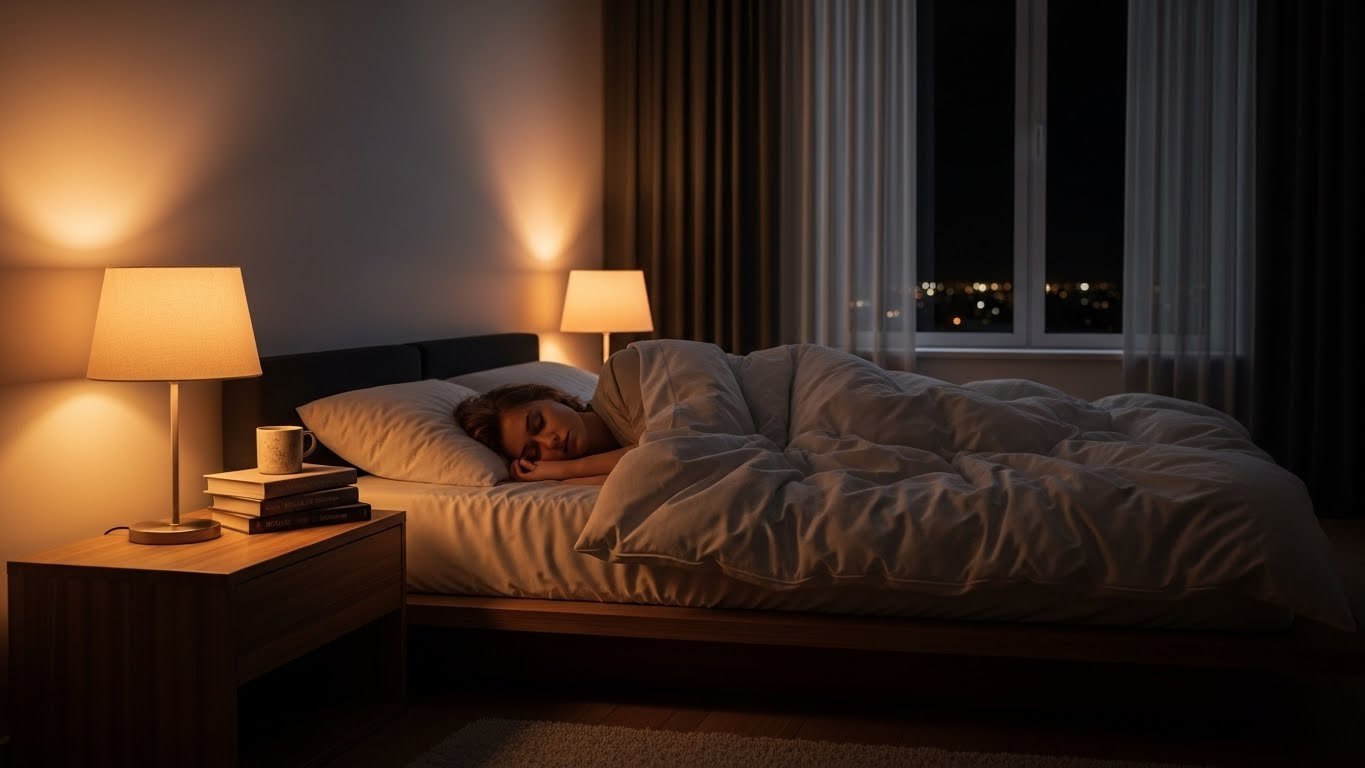
- 09:00 PM: Dim the lights. Read a physical book or meditate.
- 10:00 PM: Sleep.
Conclusion
Sleep is the best pill you can take. It restores your immune system, repairs your muscles, sharpens your mind, and regulates your weight. It is the ultimate health hack.
Stop looking for productivity hacks that cut your sleep. Real productivity comes from clarity and energy, which only sleep can provide. Prioritize your rest just as you prioritize your diet and your workouts.
Your body is counting on you. Tonight, put the phone away, turn out the lights, and let your biology do the work.
Need to balance your energy levels during the day? Check out our Intermittent Fasting guide