

Introduction: The End of the Food Diary
For decades, the “Gold Standard” of weight loss was simple: Eat Less, Move More. It relied on willpower, discipline, and a little plastic spiral notebook.
While dedication is irreplaceable, human nature makes it difficult for us to be accurate. We underestimate calories in restaurant meals, we forget that extra slice of pizza, and we lie to ourselves about that late-night snack.
In 2026 and beyond, Technology is taking the wheel. We are entering the era of “AI-Powered Weight Loss.” These aren’t magic pills that melt fat while you sleep. They are sophisticated tools that use machine learning, massive food databases, and real-time feedback loops to help you achieve a calorie deficit with surgical precision.
At Healthy.Azonpickr, we believe that technology should empower you, not dictate your life. However, an algorithm is only as good as the data you feed it. This comprehensive guide will analyze the top contenders in the market, compare their features, and help you decide if a robot is the best diet coach for you.
The Mechanism: How AI Optimizes Dieting
AI doesn’t “know” you in a spiritual sense. It uses statistical analysis and pattern recognition to optimize your experience.
1. Hyper-Personalization (The “You” Factor)
In a traditional app, you might select “Sedentary Lifestyle” from a list of 5 options. AI apps like Noom go deeper. They track your movement patterns, your sleep quality (from your phone/watch), and your stress levels. They use this data to adjust your Calorie Target (TDEE) dynamically.
If you have a bad sleep and high cortisol (stress), the app knows you are recovering poorly and automatically suggests lower calorie targets for that day to prevent burnout.Stress and sleep are crucial for fat loss. Read our stress management guide
2. Computer Vision (The Magic Eye)
Logging food manually is tedious. We often judge portions by sight (“This looks like a cup of rice…”).
Advanced apps use image recognition. You simply snap a photo of your meal, and the AI calculates the calories. It is far more accurate than your guess. It can even recognize Volume and Density.
Example: You log “Grilled Salmon with Asparagus.” AI calculates: 5oz Salmon (180 kcal), 1 cup Asparagus (40 kcal). It adds it up instantly and syncs with your daily total.Struggling with portion control? Our Macros guide explains how to track accurately
3. The Feedback Loop
This is where AI shines. It closes the gap between intention and result.
- Instant Analysis: You scan a barcode at lunch. Within seconds, the app tells you if you have enough protein left for dinner.
- Predictive Insights: The app warns you: “You have already logged a snack at 2:00 PM. Skipping dinner will put you in a deficit, but you might feel starved. Eat a light salad.”
- Behavioral Nudges: Gentle reminders to drink water, stand up, or move. It feels like a coach in your pocket, rather than a judge.
Top Contenders: Which App is Right for You?
Let’s break down the heavy hitters in the AI weight loss space.
1. Noom: The Holistic Approach
Noom has evolved from a simple calorie counter into a complete wellness ecosystem.
The “Habit” Engine:
Noom’s core philosophy is that weight loss isn’t just about food; it’s about habits. It tracks your steps, hydration, and even your menstrual cycle (for women). It analyzes your data to find *correlations*.
Example: It notices you sleep 6 hours but feel tired. It suggests checking iron levels or magnesium intake. It connects dots that a simple calculator might miss.
Pros:
- Community: There is a large, supportive community (“Noomers”) sharing tips.
- Scanning: One of the best barcode scanners in the market.
- Privacy: Focused on being a data sanctuary (unlike some social apps).
- Speed: Very easy to log meals and weight.
Cons:
- Food Database Limitations: While good, not as exhaustive as MyFitnessPal (MFP).
- Premium Features: Some advanced features (like metabolic testing) require a paid subscription.
Interested in holistic habits? Check out our guide on maintaining weight
2. Apple Health & Fitness Ecosystem: The Accuracy King
If you are an Apple user, you have a powerful advantage: The HealthKit.
Integration:
The data from your iPhone (Steps, Heart Rate, Elevation, Sleep stages) flows directly into the Health app on your Watch. This creates a highly accurate picture of your Total Daily Energy Expenditure (TDEE).
Apple Fitness can also sync with MyFitnessPal. It uses your Watch’s heart rate data to determine if you should count your walk as active cardio or resting. It calculates “Move” calories accurately.
Pros:
- Massive Database: You benefit from MFP’s library of millions of foods.
- Accuracy: Weight Watchers are clinically validated as medical-grade devices. They are very precise.
- Trends: Apple Health shows you long-term trends (weight over 6 months) without the “noisy” daily fluctuations.
Cons:
- The “Walled Garden”: If you use a Samsung/Android, you miss out on Apple Watch accuracy (Series 7, 8, Ultra). The fitness tracking is inferior.
- No Desktop App: While the iPhone app is great, data entry on a phone is sometimes clunky for deep data analysis.
Need to track steps accurately? Our Fitness guide explains why hardware matters
3. MyFitnessPal (MFP): The Legacy Giant
MFP is arguably the grandfather of calorie counting. It is known for two things:
1. The Database: It is the unrivaled king of foods.
2. Community Support: The forums are huge. You can find any food, ask questions, and get support from veterans.
Is it still relevant in 2026?
Yes. MFP continues to improve. It now offers Premium Plans (Coaching, guided logging) and better integration with other gadgets (scales, blood pressure monitors).
Pros:
- Variety: Largest food database.
- Recipes: Huge collection of user-submitted recipes.
- Social: “News Feed” and “Friends.”
Cons:
- UI Complexity: The app has been updated many times over the years. Some users find the interface cluttered and confusing compared to newer, sleeker apps.
- Ads: Free version has ads. Premium is required to get rid of them.
—
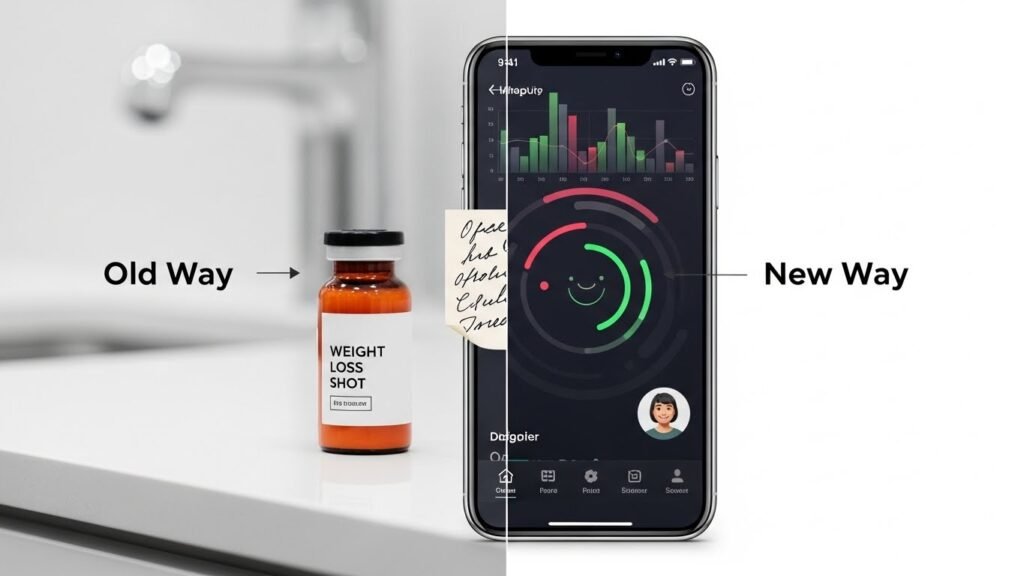
The Comparison: AI vs. The Old Way
Is an AI plan actually better than tracking it yourself?
Table 1: Feature Comparison
We compare the core features of an “AI-Powered Plan” (like Noom) vs. a “Traditional Tracking” method (Pen & Paper).
| Feature | AI-Powered Plan (e.g., Noom) | Traditional Tracking (Manual) | Winner |
|---|---|---|---|
| Accuracy | Extremely High (Algorithms) | Low/Medium (Human Error) | 👑 |
| Convenience | Extremely High (Scanning, App Sync) | Time Consuming (Logging takes effort) | 👑 |
| Insights | Predictive & Correlative (AI Feedback) | None (Raw Data Only) | 👑 |
| Habit Formation | Powerful (Gamification, Nudges, Daily Goals) | Zero (Self-Motivation Required) | 👑 |
| Cost | $40 – $70 per month | Free | ⭐ |
| Data Privacy | Important (Focus on Sanctuaries) | Low (Data sold to advertisers?) | 🔒 |
Summary of Comparison:
If you want maximum ease and “magic” insights, AI Plans like Noom win. If you are a data nerd (like me) and want total control over the data, stick to MFP or Apple Health.Data is power. Learn how to read your own body signals in our Stress Management guide–
The Importance of Human Wisdom
We believe that technology should be a Copilot, not the Pilot.
No app knows how you feel today. No algorithm can account for the heavy rain outside that ruined your mood. No app knows that you are hormonal this week or that your work is toxic.
The Hybrid Strategy:
Use an AI app to handle the math (Calories) and tracking, so you don’t have to guess. But stay in tune with your body.
- Follow the Green Zone: If the app says you are in the green (on track), you can relax. If it turns orange (off track), cut back.
- Don’t Blindly Obey: If you feel hungry, eat. If you feel full, stop. The AI is a suggestion, not a dictator.
- Weekly Reviews: Look at your weekly trends in the Apple Health dashboard. Did you actually eat healthy food? Adjust next week.
Reviewing your week keeps you accountable. Check out our Maintenance Weight Loss guide
Future Trends: What’s Next in 2027?
The “Metaverse” of dieting might be a few years away (Virtual Reality nutritionists?), but for now, these are the emerging innovations:
- CGMs (Continuous Glucose Monitors): Devices like Abbott FreeStyle Libre (glucose patches) provide real-time data on how your food affects your blood sugar. This data can be fed to an AI to optimize your diet in real-time.
- DNA-Based Meal Planning: Services like Nutrigenom analyze your DNA to tell you exactly which diet (Keto, Vegan, Low-Carb) is scientifically best for your genetics.
—
Conclusion: You + Your Algorithm
The future of weight loss is likely a collaboration between human willpower and artificial intelligence.
The most successful people will not be those who resist technology, but those who use it as a tool to amplify their discipline.
Whether you choose Noom for its holistic approach, Apple Health for its hardware accuracy, or stick with the massive database of MyFitnessPal, the goal remains the same:
Calories In, Fat Out.
Start using an app today. Scan your dinner. Track your water. Let the data empower you. You don’t have to do this alone—your algorithm (the app) is there to help you win.