

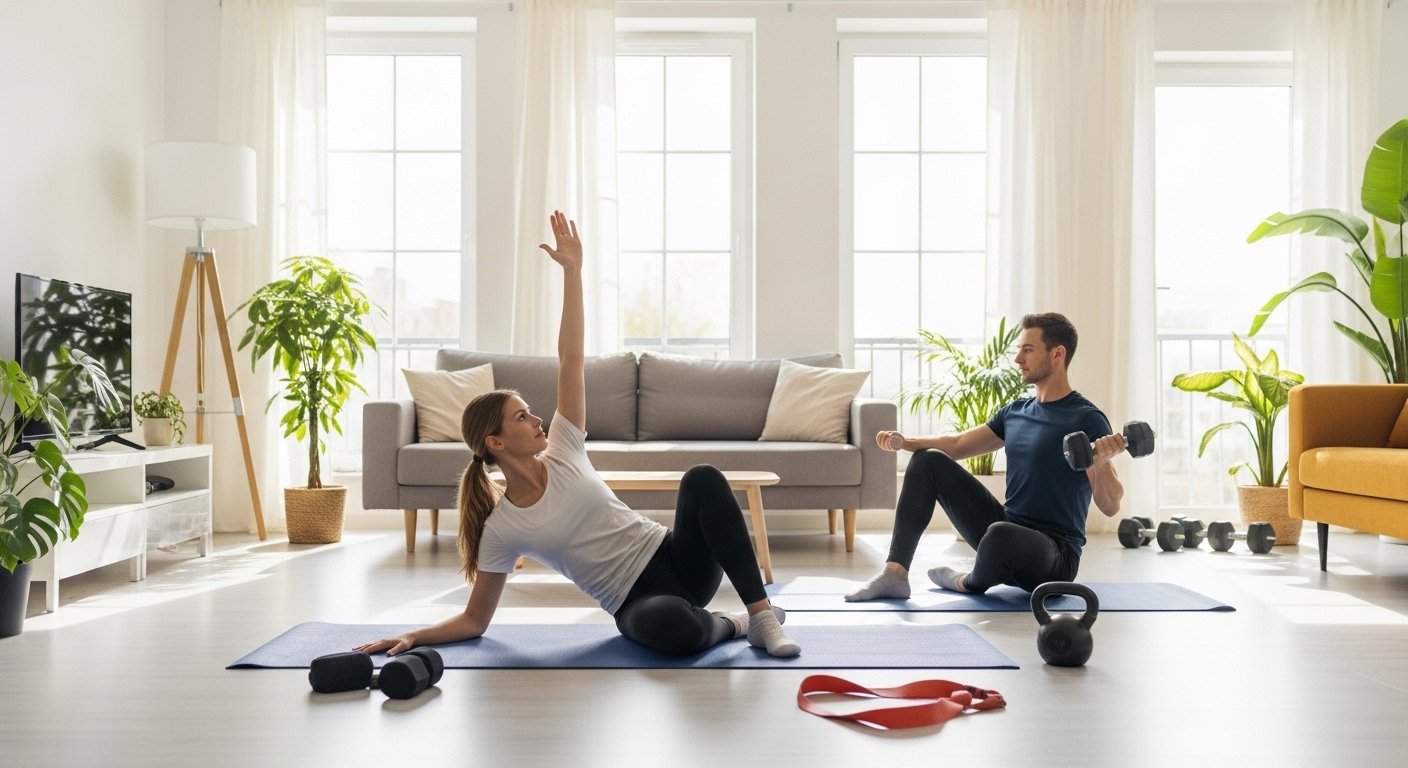
Home fitness has transformed from a backup option into a mainstream lifestyle choice. Not long ago, many people believed real workouts could only happen inside crowded gyms filled with rows of machines. Today, that perception has shifted dramatically. With the rise of digital fitness programs, smart workout equipment, and a stronger focus on holistic health, home fitness and wellness have become powerful tools for building a healthier life.
Think about it: how often have you skipped a workout simply because the gym was too far away, too crowded, or inconvenient after a long day? Working out at home removes those barriers completely. Your living room, spare bedroom, or even a small corner can transform into a personal wellness zone where your health becomes the priority.
Another major factor driving the popularity of at-home fitness routines is flexibility. You control your schedule, your environment, and your pace. Whether you prefer early-morning yoga, lunchtime strength training, or a late-night cardio session, your workout fits into your life instead of disrupting it. This level of convenience makes consistency far easier to maintain, and consistency is the real secret behind long-term health results.
Statistics reinforce this shift. According to several global fitness surveys, over 60% of people now prefer hybrid or home-based workouts rather than traditional gym memberships. Online platforms, mobile fitness apps, and virtual trainers have turned home spaces into fully functional training environments.
But home fitness is about far more than just exercise. True home wellness combines movement, nutrition, recovery, and mental balance. It encourages people to design lifestyles where health is woven into daily routines rather than squeezed into occasional gym visits.
Imagine your home not just as a place for relaxation but as a personal wellness ecosystem—a space where physical strength, mental clarity, and emotional balance all grow together. That’s exactly what home fitness makes possible.
The Growing Importance of Home Fitness
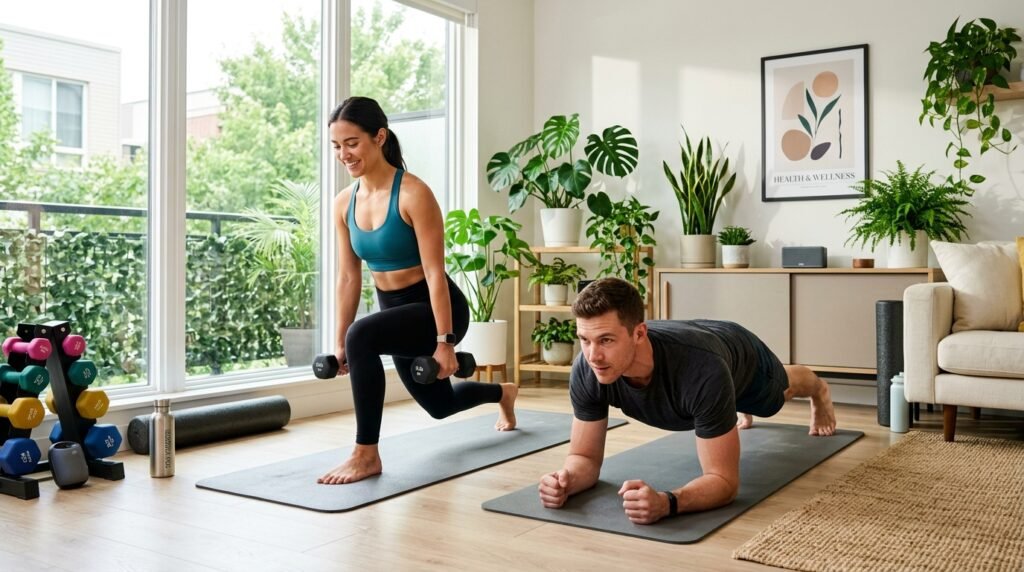
Over the last decade, the concept of home fitness has evolved from a simple convenience into a powerful global health movement. More people are discovering that maintaining their physical and mental health does not require expensive gym memberships or complex equipment. Instead, it requires commitment, creativity, and the willingness to turn everyday spaces into opportunities for movement and wellness.
One of the biggest reasons home fitness is gaining popularity is accessibility. Traditional gyms often create barriers—monthly fees, commuting time, crowded spaces, and limited operating hours. At-home workouts remove these obstacles entirely. When your workout space is just a few steps away, it becomes far easier to stay consistent and motivated.
Another key factor is personalization. In a gym environment, people often feel pressured to follow trends or compare themselves with others. At home, fitness becomes deeply personal. You can experiment with different workout styles, choose music that energizes you, and create routines that match your own goals. Whether that means high-intensity interval training, bodyweight exercises, yoga, or Pilates, your workout experience becomes fully customized.
Technology has also played a massive role in accelerating the home fitness revolution. Fitness apps, smartwatches, and online workout platforms now provide guidance that once required personal trainers. Virtual instructors can guide strength workouts, meditation sessions, and cardio routines directly from a smartphone or TV screen. Some platforms even use artificial intelligence to analyze form and provide real-time feedback.
Beyond physical fitness, home workouts are becoming central to overall wellness culture. Health is no longer viewed solely through the lens of weight loss or muscle gain. Instead, people are prioritizing energy levels, stress management, sleep quality, and mental resilience.
Home fitness supports all of these goals because it integrates wellness directly into daily life. A quick 20-minute workout between meetings or a relaxing evening stretch session can significantly improve mood and productivity.
The truth is simple: when fitness becomes convenient, flexible, and enjoyable, it stops feeling like a chore and starts feeling like a natural part of life.
Physical Health Benefits of Working Out at Home
When people think about home workouts, they sometimes assume the results will be less effective than gym training. In reality, consistent exercise at home can deliver nearly identical health benefits—sometimes even better results—because it encourages long-term consistency.
Regular movement improves nearly every system in the body. Strength training builds muscle mass, strengthens bones, and increases metabolism. Cardio workouts improve heart health, lung capacity, and endurance. Flexibility exercises support joint mobility and reduce the risk of injuries. When these elements combine into a balanced routine, the body becomes stronger, more resilient, and more efficient.
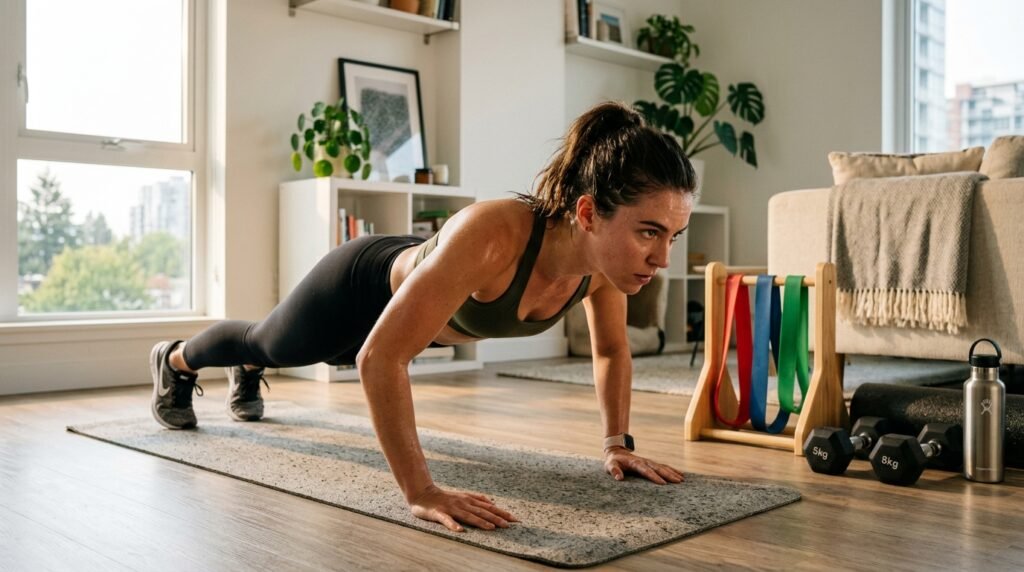
One major advantage of home workouts is the ability to train more frequently in shorter sessions. Instead of relying on long gym visits a few times per week, people often perform quick 15- to 30-minute workouts throughout the week. Research shows that consistent moderate exercise spread across multiple days can be just as effective for improving cardiovascular health and muscle strength.
Another important benefit is injury prevention. In crowded gyms, people sometimes rush through exercises or attempt advanced movements without proper preparation. At home, workouts often become slower, more mindful, and more focused on technique. This approach encourages safer movement patterns and better long-term joint health.
Bodyweight exercises are particularly powerful in a home fitness environment. Push-ups, squats, lunges, planks, and pull-ups activate multiple muscle groups simultaneously. These compound movements mimic natural human movement patterns and help develop functional strength—the type of strength that improves everyday activities like lifting, climbing stairs, or carrying groceries.
Home workouts also support immune health. Studies consistently show that moderate physical activity strengthens the immune system by improving circulation and reducing chronic inflammation.
In essence, the human body doesn’t care where you exercise. Whether you’re training in a gym, a park, or your living room, what truly matters is consistency, proper form, and progressive challenge.
Mental and Emotional Wellness Through Home Workouts
Physical fitness is only one part of the wellness equation. The mental and emotional benefits of exercise are just as powerful, and home workouts provide a unique environment for nurturing this side of health.
Modern life is filled with stressors—work deadlines, financial responsibilities, digital overload, and constant social pressure. Exercise acts as a natural stress regulator by triggering the release of endorphins, often called the body’s “feel-good chemicals.” These neurochemicals reduce stress, elevate mood, and create a sense of calm that can last for hours after a workout.
Working out at home amplifies these mental benefits because the environment is fully under your control. You can create a calming atmosphere with music, natural light, or even aromatherapy. Instead of worrying about crowded gym spaces or feeling self-conscious, you can focus entirely on the movement itself.
There is also a strong psychological benefit to reclaiming personal time. Setting aside 20 or 30 minutes each day for movement sends a powerful signal to your brain: your health matters. Over time, this habit strengthens self-discipline and boosts confidence.
Exercise also plays a major role in improving sleep quality. Regular physical activity helps regulate circadian rhythms and reduces symptoms of insomnia. Many people who begin home fitness routines report falling asleep faster and waking up with more energy.
Home workouts can also become powerful tools for mindfulness and emotional balance. Activities like yoga, stretching, or slow strength training encourage people to pay attention to breathing, posture, and body awareness. This type of movement meditation helps quiet mental noise and restore focus.
Psychologists often compare exercise to a “reset button” for the brain. A stressful day can quickly shift after a short workout session. Energy returns, clarity improves, and problems often feel more manageable.
Ultimately, home fitness is not just about sculpting muscles or burning calories. It is about creating a daily ritual that supports both body and mind, turning your home into a sanctuary for health and balance.
Setting Up the Perfect Home Gym
Creating a home gym does not require a massive investment or an entire room filled with equipment. In fact, some of the most effective workout spaces are simple, practical, and thoughtfully designed. The goal is not to replicate a commercial fitness center but to build an environment that encourages consistent movement and supports your personal wellness goals.
The first step in setting up a home gym is understanding your own fitness style. Do you enjoy strength training, yoga, cardio workouts, or a mix of everything? Your preferred activities will determine the type of space and equipment you need. Someone who focuses on bodyweight workouts might only need a yoga mat and resistance bands, while someone interested in weight training may want adjustable dumbbells or kettlebells.
Lighting and atmosphere also play a surprisingly important role. A well-lit workout space feels more energizing and inviting. Natural light is especially beneficial because it improves mood and helps regulate circadian rhythms. If natural light is limited, warm LED lighting can still create an encouraging environment.
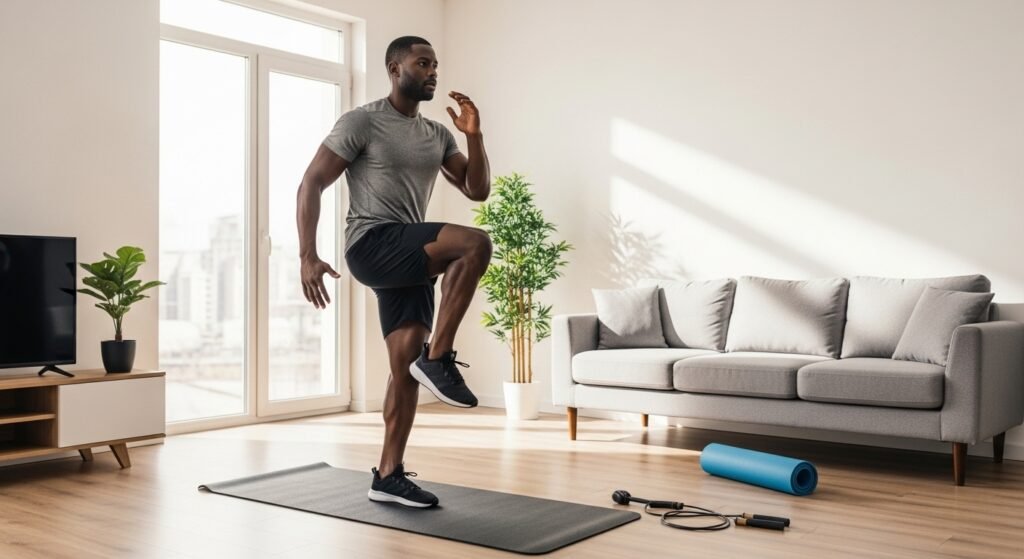
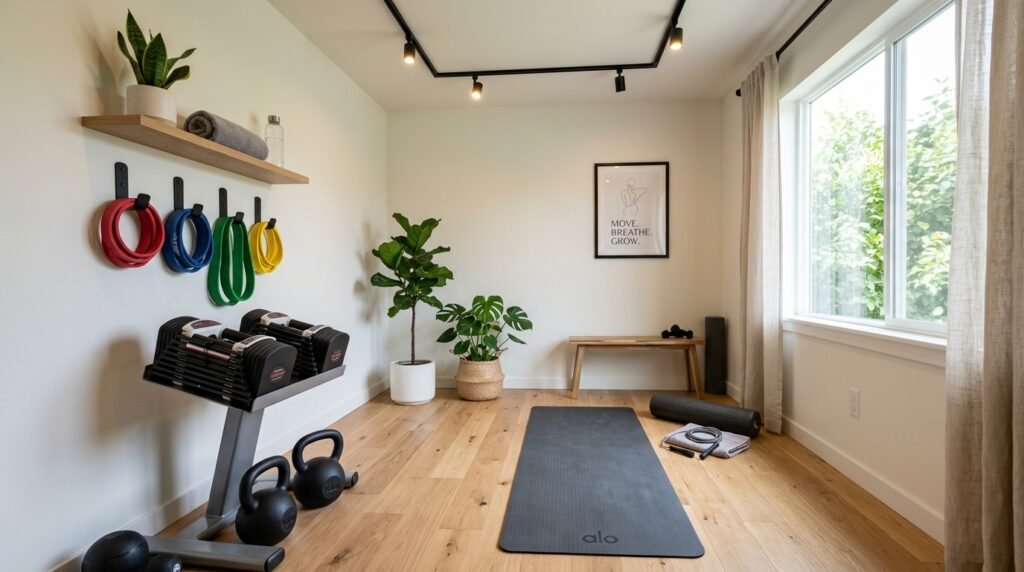
Another important factor is accessibility. If your workout equipment is difficult to access or stored far away, the chances of skipping workouts increase. Placing equipment in a visible and convenient area serves as a constant reminder to stay active. Even a small corner of a room can become a dedicated fitness zone with the right setup.
Noise control is another practical consideration. Jumping exercises, weights, and cardio routines can create vibrations that disturb others in the house. Using rubber mats or foam flooring helps absorb impact while protecting floors and reducing sound.
Many people also add motivational elements to their home gym, such as mirrors, inspirational quotes, or a simple whiteboard for tracking workouts. These small touches create a sense of commitment and make the space feel purposeful.
The beauty of a home gym lies in its adaptability. As your fitness level improves, you can gradually upgrade equipment, adjust the layout, and explore new workout styles. Instead of feeling like a rigid facility, your home gym becomes a living fitness environment that evolves along with your health journey.
Choosing the Right Space in Your Home
Selecting the right location for your home gym is often more important than the equipment itself. Even the best workout gear will gather dust if the environment feels uncomfortable or inconvenient. The ideal space should support both physical movement and mental focus.
Many people assume they need a spare room to build a home gym, but that’s rarely necessary. A living room corner, garage section, basement area, or even a balcony can become an effective workout zone. The key is ensuring there is enough room to move freely during exercises like lunges, push-ups, or jumping movements.
Ventilation is a critical factor that is often overlooked. Exercise increases body temperature and breathing rate, so fresh air circulation helps maintain comfort during workouts. Spaces near windows or fans are excellent choices because they prevent the area from feeling stuffy or overheated.
Flooring also deserves careful consideration. Hard floors like tile or wood can become slippery during workouts. Adding a high-quality exercise mat or rubber flooring improves grip, protects joints, and creates a safer environment for strength training or stretching routines.
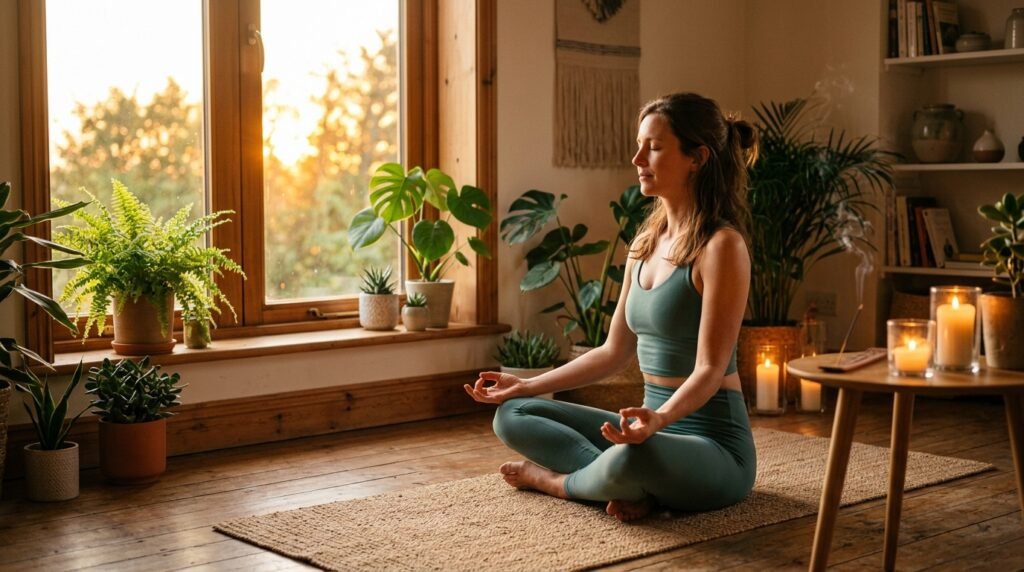
Privacy can also influence motivation. Some individuals feel more comfortable exercising in spaces where they won’t be interrupted or observed by others. A quiet area of the home can make workouts feel more relaxed and focused, especially for activities like yoga, Pilates, or meditation.
Storage solutions help keep the workout area organized. Simple wall racks, storage bins, or shelves can hold resistance bands, dumbbells, and yoga blocks. Keeping equipment organized reduces clutter and ensures the workout space remains inviting rather than chaotic.
Think of the space as more than just a workout area. It becomes a personal wellness corner—a place associated with energy, focus, and self-improvement. Over time, simply stepping into that space can trigger a mental shift that prepares your body and mind for movement.
Essential Equipment for an Effective Home Gym
When building a home gym, many people worry about buying too much equipment or spending too much money. The truth is that a small set of versatile tools can support hundreds of effective workouts. Instead of focusing on quantity, it is better to choose equipment that supports multiple exercise styles.
A yoga or exercise mat is usually the first item people purchase, and for good reason. It creates a comfortable surface for stretching, core workouts, bodyweight exercises, and mobility training. Mats also protect floors from sweat and provide cushioning for joints.
Resistance bands are another incredibly valuable tool. They are lightweight, affordable, and extremely versatile. Bands can be used for strength training, rehabilitation exercises, warm-ups, and mobility work. Because they provide constant tension, they activate muscles differently than traditional weights.
Adjustable dumbbells are often considered the cornerstone of home strength training. With just a pair of adjustable weights, you can perform exercises like squats, presses, rows, lunges, and curls. This type of equipment allows progressive overload, which is essential for building muscle and increasing strength over time.
Kettlebells have also gained popularity in home fitness because they combine strength and cardio training. Movements like kettlebell swings, goblet squats, and Turkish get-ups engage multiple muscle groups simultaneously and improve coordination.
For cardio workouts, jump ropes offer one of the most efficient solutions. A short jump rope session can elevate heart rate quickly while improving coordination and endurance.
Here’s a quick comparison of common home gym equipment:
| Equipment | Main Benefit | Ideal For |
|---|---|---|
| Yoga Mat | Comfort and stability | Stretching, yoga, core workouts |
| Resistance Bands | Versatile resistance training | Strength, rehab, mobility |
| Adjustable Dumbbells | Progressive strength training | Muscle building |
| Kettlebells | Strength + cardio | Functional fitness |
| Jump Rope | High-intensity cardio | Fat loss, endurance |
The goal is not to collect equipment but to create a toolkit that encourages movement.
Budget-Friendly Home Gym Options
Not everyone wants to spend hundreds of dollars building a home gym—and the good news is that you absolutely don’t have to. Some of the most effective workouts require little to no equipment at all. Bodyweight training alone can build impressive strength, endurance, and flexibility when performed consistently.
Push-ups, squats, lunges, planks, and burpees are examples of compound exercises that activate multiple muscle groups simultaneously. These movements mimic natural human patterns like pushing, pulling, bending, and stabilizing. Because they use your own body weight as resistance, they automatically scale to your fitness level.
Household items can also double as workout tools. Water bottles or backpacks filled with books can act as makeshift weights. A sturdy chair can be used for step-ups, tricep dips, or incline push-ups. Even a staircase can become a powerful cardio training station.
Another affordable option is using online fitness resources. Thousands of free workout videos and training programs are available on platforms like YouTube and fitness apps. These programs provide structure and guidance that once required expensive gym memberships or personal trainers.
Outdoor spaces can also extend your home workout environment. Parks, walking trails, and open fields provide opportunities for running, bodyweight circuits, or mobility exercises.
Fitness experts often emphasize a simple truth: discipline matters far more than equipment. Someone with a yoga mat and consistent habits will achieve better results than someone with expensive machines who rarely uses them.
The key is creativity. With a little imagination, almost any space or object can become part of a powerful and sustainable home fitness routine.
Designing a Balanced Home Workout Routine
Creating a balanced home workout routine is where many people either succeed brilliantly or lose momentum after a few weeks. It’s tempting to focus only on the exercises you enjoy—maybe endless cardio sessions or only strength training—but true fitness requires a combination of movement types working together like gears in a well-built machine. A balanced routine supports strength, endurance, flexibility, and recovery simultaneously.
Think of your body like an orchestra. If only one instrument plays loudly while the rest remain silent, the music becomes unbalanced. Fitness works the same way. A routine that includes strength training, cardiovascular exercise, and mobility work ensures every system in the body develops harmoniously.
A simple weekly home fitness structure might look like this:
| Day | Workout Focus |
|---|---|
| Monday | Strength Training |
| Tuesday | Cardio |
| Wednesday | Mobility & Core |
| Thursday | Strength Training |
| Friday | Cardio or HIIT |
| Saturday | Light Activity or Yoga |
| Sunday | Recovery |
This structure prevents burnout while keeping the body active throughout the week. According to the World Health Organization (WHO), adults should aim for at least 150 minutes of moderate exercise per week combined with muscle-strengthening activities on two or more days.
Another critical aspect of home workout routines is progression. Doing the same exercises with the same intensity week after week eventually leads to stagnation. To keep improving, gradually increase difficulty by adding repetitions, increasing resistance, or extending workout duration.
Variety also keeps workouts mentally stimulating. Rotating between bodyweight circuits, resistance band workouts, yoga flows, and cardio sessions prevents boredom and keeps motivation high. One day might involve strength training with dumbbells, while another might feature a fast-paced HIIT workout using only bodyweight.
Warm-ups and cool-downs should never be skipped. A proper warm-up prepares muscles and joints for movement, reducing injury risk. Similarly, cooling down with stretching or slow mobility exercises helps the body transition back to a resting state.
The most successful home fitness routines follow one simple rule: consistency beats intensity. A manageable routine performed regularly will produce far better results than extreme workouts that are difficult to maintain.
Strength Training at Home
Strength training is one of the most powerful components of a home fitness routine, yet it’s often misunderstood. Many people associate it only with bodybuilders or heavy gym equipment, but in reality, strength training simply means challenging your muscles against resistance.
When muscles face resistance—whether from weights, resistance bands, or bodyweight—they adapt by becoming stronger and more resilient. This process also improves bone density, boosts metabolism, and supports joint health. In fact, research shows that individuals who engage in regular strength training can increase resting metabolism by up to 7%, helping the body burn more calories even during rest.
One of the advantages of strength training at home is the ability to focus on functional exercises. Functional movements mimic real-life activities like lifting, pushing, pulling, and squatting. These exercises build practical strength that improves everyday tasks.
Some highly effective home strength exercises include:
- Push-ups
- Squats
- Lunges
- Dumbbell rows
- Planks
- Glute bridges
These movements engage multiple muscle groups simultaneously, making workouts efficient and time-saving.
Another useful approach is circuit training, where several exercises are performed consecutively with minimal rest. For example, a simple circuit might include squats, push-ups, lunges, and planks repeated for three rounds. This style of training keeps heart rate elevated while building muscle strength.
Progression is essential for continued improvement. You might start with bodyweight squats, then gradually add dumbbells or resistance bands as strength increases. This gradual increase in difficulty encourages muscle growth and prevents fitness plateaus.
Strength training also provides powerful anti-aging benefits. Experts from the American College of Sports Medicine emphasize that maintaining muscle mass helps preserve mobility and independence as people age.
In a home fitness environment, strength training becomes more than just muscle building—it becomes a foundation for long-term physical resilience and vitality.
Effective Cardio Workouts Without Gym Machines
Cardiovascular exercise is often associated with treadmills, stationary bikes, and elliptical machines. While those machines are convenient, they are far from necessary. In fact, many of the most effective cardio workouts require nothing more than a small open space and a willingness to move.
Cardio training strengthens the heart, improves circulation, and increases lung capacity. Regular cardiovascular activity is strongly linked to reduced risk of heart disease, diabetes, and high blood pressure. According to the American Heart Association, consistent cardio exercise can lower the risk of heart disease by nearly 30%.
One of the most efficient methods for home cardio is High-Intensity Interval Training (HIIT). HIIT alternates between short bursts of intense activity and brief recovery periods. For example, you might perform 30 seconds of jumping jacks followed by 20 seconds of rest, repeating the cycle several times.
Common home cardio exercises include:
- Jumping jacks
- High knees
- Mountain climbers
- Burpees
- Jump rope
- Stair running
These movements elevate heart rate quickly and can deliver a powerful workout in as little as 20 minutes.
Another effective cardio option is dance-based workouts. Many people underestimate how physically demanding dancing can be. Fast-paced dance sessions combine coordination, rhythm, and endurance while making exercise feel more like entertainment than work.
Walking is another underrated form of cardio. A brisk 30-minute walk around your neighborhood or inside a large indoor space can significantly improve cardiovascular health.
What makes home cardio especially appealing is the flexibility. You can perform short sessions throughout the day rather than dedicating long blocks of time. Even three 10-minute cardio sessions spread across the day can deliver meaningful health benefits.
Cardio at home proves that effective fitness doesn’t depend on expensive machines. What truly matters is movement, intensity, and consistency.
Mobility, Flexibility, and Recovery
Many fitness beginners focus heavily on workouts while ignoring one of the most important elements of wellness: recovery. Without proper recovery, muscles remain tight, joints become stiff, and the risk of injury increases. Mobility and flexibility training ensure the body stays balanced and resilient.
Mobility refers to the ability of joints to move freely through their full range of motion. Flexibility, on the other hand, describes the ability of muscles to stretch without restriction. Both are essential for healthy movement patterns.
Activities like yoga, Pilates, and dynamic stretching are excellent tools for improving mobility and flexibility. These exercises lengthen muscles, reduce tension, and improve posture. They also encourage controlled breathing, which helps calm the nervous system.
One effective recovery technique is foam rolling, a form of self-massage that targets tight muscle areas known as trigger points. Foam rolling improves blood flow and helps muscles relax after intense workouts.
Sleep is another critical component of recovery. During deep sleep, the body releases growth hormones that repair muscle tissue and support overall physical recovery. Fitness experts often emphasize that sleep is when the real progress happens.
Active recovery days are also beneficial. Instead of complete inactivity, light activities like walking, stretching, or gentle yoga help maintain circulation while allowing muscles to recover.
Recovery is often compared to the reset button of the body. Just as a computer needs time to process updates, the human body requires rest to adapt and grow stronger.
Ignoring recovery may lead to burnout or injury, but prioritizing mobility and rest ensures that fitness becomes a sustainable lifelong habit rather than a short-term effort.