


Introduction
In a world obsessed with “what” to eat—carbs vs. fats, vegan vs. keto—we often overlook a more ancient and biological question: “When” should we eat?
Our ancestors did not have access to refrigerators or supermarkets 24/7. They often went hours or even days without food. The human body evolved to thrive during these periods of scarcity. Today, we call this Intermittent Fasting (IF).
Intermittent Fasting is not a diet in the traditional sense. It does not tell you what foods to eat; it tells you when to eat them. It is an eating pattern that cycles between periods of fasting and eating.
At Healthy.Azonpickr, we have seen IF explode in popularity—and for good reason. It simplifies life, improves health markers, and is one of the most effective tools for burning stubborn belly fat.
This comprehensive guide will teach you how to implement IF safely, the science behind the magic, and how to avoid common mistakes.
The Science of Fasting: What Happens to Your Body?
When you eat, your body spends energy digesting food. It uses glucose (sugar) for fuel. When you fast, insulin levels drop, and your body is forced to switch gears.
- Insulin Levels Drop Significantly: This facilitates fat burning. When insulin is high, you store fat. When insulin is low, you burn fat.
- Human Growth Hormone (HGH) Increases: Levels of HGH can skyrocket during a fast (sometimes up to 5-fold). Higher levels of HGH facilitate fat burning and muscle gain.
- Cellular Repair (Autophagy): This is a crucial mechanism. When you fast, your cells initiate a “waste removal” process. The cells digest and remove old and dysfunctional proteins that build up inside cells. This helps prevent diseases like cancer and Alzheimer’s.
- Gene Expression: Fasting changes the function of genes related to longevity and protection against disease.
To understand the nutrition side of fat loss in detail, read our Science of Weight Loss guide
The Most Popular Fasting Protocols
There is no “one size fits all” approach to Intermittent Fasting. You must choose a method that fits your lifestyle.
1. The 16/8 Method (The Leangains Protocol)
This is the most popular and easiest to sustain.
- How it works: You fast for 16 hours a day and restrict your “eating window” to 8 hours.
- Example: Skip breakfast. Start eating at 12:00 PM (noon). Eat your last meal at 8:00 PM. Fast until 12:00 PM the next day.
- Best for: Beginners and people with busy morning schedules.
2. The 5:2 Diet (The Fast Diet)
- How it works: You eat normally for 5 days of the week, but restrict calories to 500–600 calories on 2 non-consecutive days.
- Example: Eat normally Mon-Thu. Eat 500 calories on Friday and Sunday.
- Best for: People who struggle to fast every day but can handle 2 tough days.
3. The Eat-Stop-Eat Method
- How it works: You fast for 24 hours, once or twice a week.
- Example: Dinner to dinner. Stop eating at 7:00 PM today, and don’t eat until 7:00 PM tomorrow.
- Best for: Advanced fasters. This can be difficult for beginners.
4. OMAD (One Meal A Day)
- How it works: You fast for 23 hours and eat one large meal in a 1-hour window.
- Best for: People following a Keto diet who have excellent metabolic flexibility.
Are you following a low-carb diet? Intermittent fasting accelerates results on Keto. See our Keto guide
The Golden Rule: What to Eat During Your Window
Intermittent Fasting is not a license to eat junk food. While you can lose weight eating pizza in your 8-hour window (if you maintain a calorie deficit), you will damage your health and feel terrible.
The Winning Combination: IF + Healthy Whole Foods When you break your fast, treat your body like a temple.
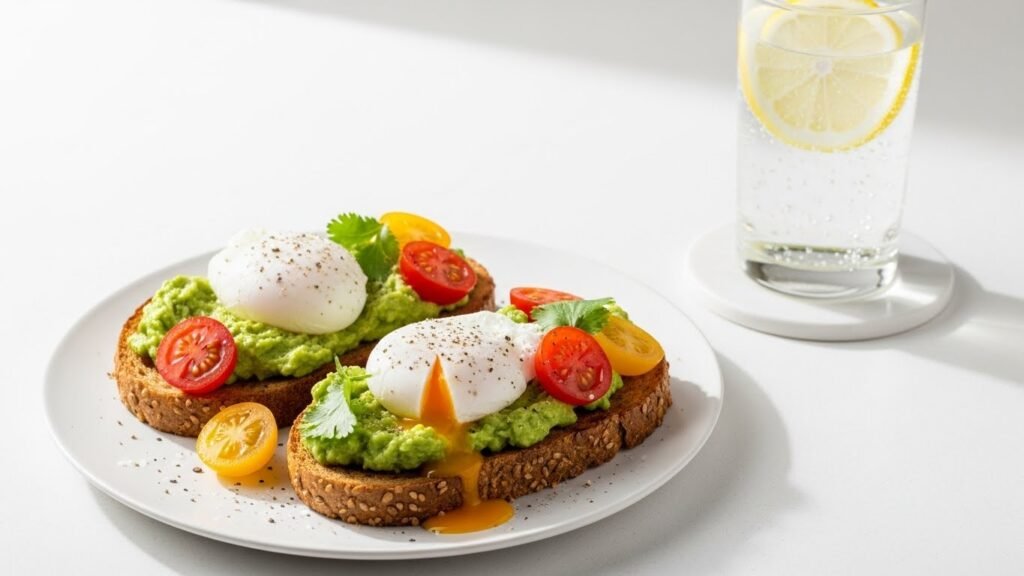
- Break the Fast: Start with a small meal containing protein and healthy fats to stabilize blood sugar. Avoid sugary carbs immediately.
- During the Window: Focus on:
- High Protein: Chicken, fish, eggs.
- Healthy Fats: Avocado, nuts, olive oil.
- Vegetables: Cruciferous vegetables (broccoli, cauliflower) to support liver function.
- Avoid: Processed foods, sugary drinks, and excessive fructose.
What Can You Drink While Fasting?
You must stay hydrated. Calories or sweeteners can break your fast (spike insulin).
- Green Light: Water (sparkling or flat), Black Coffee (no sugar, no cream), Black Tea, Green Tea, Apple Cider Vinegar (ACV – diluted).
- Red Light: Sodas, diet sodas (sweeteners can trigger insulin in some people), bone broth (has protein/calories), bulletproof coffee (butter breaks the fast).
Can You Exercise While Fasting?
Yes, and it is actually excellent for fat burning. However, listen to your body.
- Low Intensity Cardio: Walking, light jogging, or yoga are excellent in the fasted state. Your body uses stored fat for fuel.
- Heavy Lifting / HIIT: You can do these in the fasted state, but you might find you have slightly less energy.
- Post-Workout Nutrition: If you exercise in a fasted state, eat your protein-rich meal immediately after your workout. This is the “Anabolic Window.”
Need a workout plan that fits your fasting schedule? Check out our Home Fitness guide

Common Mistakes to Avoid
- Eating Too Much in the Window: “Compensatory eating” is real. Just because you fasted doesn’t mean you can eat double your calories. Keep portions controlled.
- Breaking the Fast with Sugar: If you break a 16-hour fast with a donut, your blood sugar will spike, then crash, leading to cravings and fatigue. Break with protein/fats.
- Ignoring Electrolytes: Just like Keto, fasting flushes out water and electrolytes. Add a pinch of sea salt to your water in the morning to prevent headaches.
- Women and Fasting: Women are more sensitive to fasting than men. If you notice your menstrual cycle becoming irregular or hair falling out, switch to a milder approach (12-14 hours fasting) or stop fasting immediately.
Potential Side Effects and Who Should Avoid IF
Side Effects:
- Hunger: This is temporary. It usually passes after a week as your ghrelin (hunger hormone) adjusts.
- Headaches: Usually due to dehydration or lack of salt.
- Brain Fog: Some people feel foggy initially. Once you adapt (in 2-3 weeks), most people report sharper thinking than ever.
Who Should NOT Fast?
- Pregnant or breastfeeding women.
- Underweight individuals or those with an eating disorder history.
- People under 18 years old.
- People with Type 1 Diabetes (risk of hypoglycemia).
Always consult a doctor if you have a medical condition. Read our General Health guide for overall wellness advice
How to Start: A 4-Week Plan
Week 1: 12-Hour Fast (12:12) Stop eating at 8:00 PM. Don’t eat until 8:00 AM. You probably already do this while sleeping.
Week 2: 14-Hour Fast (14:10) Move your first meal to 10:00 AM. Cut the late-night snacking.
Week 3: 16-Hour Fast (16:8) Skip breakfast. Start eating at 12:00 PM. Drink coffee in the morning.
Week 4: The Warrior Week Try doing the 16:8 strictly. If you feel great, try extending the fast to 18 hours a couple of times.
Conclusion
Intermittent Fasting is not a magic pill, but it is a powerful lever you can pull to optimize your health. It restores your body’s natural ability to burn fat and repair itself at a cellular level.
The beauty of IF is its simplicity. You save money on breakfast, save time on cooking, and gain control over your hunger.
Start small. Be patient. In a few weeks, you will likely find that you are lighter, sharper, and more energetic than you have been in years.
Ready to combine this with the right food choices? Explore our Nutrition category for more guides